01 · PIXEL SPACE
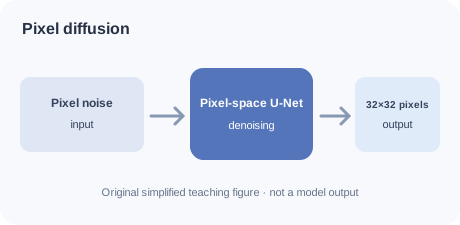
DDPM
Works on image pixels. Start with random noise and gradually remove it. Our 32×32 CIFAR-10 example is unconditional: it has no text prompt input.
Reading, viewing genuine saved images and building an experiment plan need no Hugging Face ZeroGPU. Therefore no ZeroGPU minute/call quota applies to these page actions. To generate a NEW image, use the optional live Spaces: signed-in Free 5 GPU min/day, anonymous 2 GPU min/day; reset 24h after first use; number of requests is not guaranteed. HF ZeroGPU policy ↗
AI-POWERED COMPUTER VISION · STUDENT COURSE
Learn how three different diffusion architectures generate images. Design experiments with seeds and prompts — and build an AI project of your own.
Free teaching page. This version prepares experiments and shows three genuine saved images; it does not itself perform GPU generation.
Noise → denoising → image
Concept illustration only · not a model output01 / THE TECHNOLOGY
The models share the idea of gradual denoising, but differ in where and how the network operates. They are not an identical-prompt image quality contest.
Works on image pixels. Start with random noise and gradually remove it. Our 32×32 CIFAR-10 example is unconditional: it has no text prompt input.
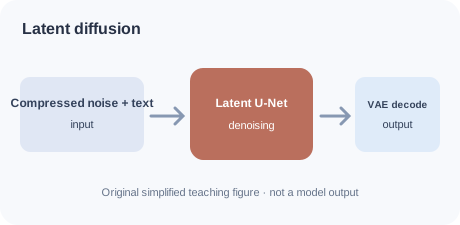
Generates in a compressed image space using a U-Net, then decodes it to pixels. Distillation makes it possible to use very few inference steps.
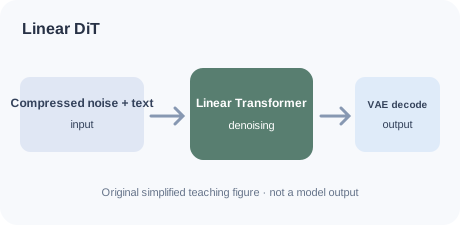
Uses a Transformer backbone rather than a U-Net. SANA compresses latent representations and uses efficient attention; Sprint reduces sampling steps.
Fast-model extension papers: SDXL Turbo (ADD) · SANA-Sprint. Concept figures are our own simplified teaching diagrams.
REAL PIXEL-SPACE MODEL OUTPUTS · NO GPU
These are two genuine 32×32 outputs from the unconditional DDPM checkpoint at 50 steps, generated on CPU. There is no text prompt for this model; only the seed changes.


Model, revision, resolution and 50-step setting stayed fixed. Only the seed changed. The images are real samples, unlike the input-noise preview further down this page.
If you want another architecture to explore, the authors host an external SANA-Sprint demonstration ↗. Its availability and quota are managed by the original authors, not by this course.
REAL DIFFUSION OUTPUTS · IDENTICAL MODEL SETTINGS
These are three actual SDXL Turbo outputs, generated on our free ZeroGPU service. We fixed model revision, random seed and sampling settings; only the text prompt changes. Viewing these saved results does not use GPU time.
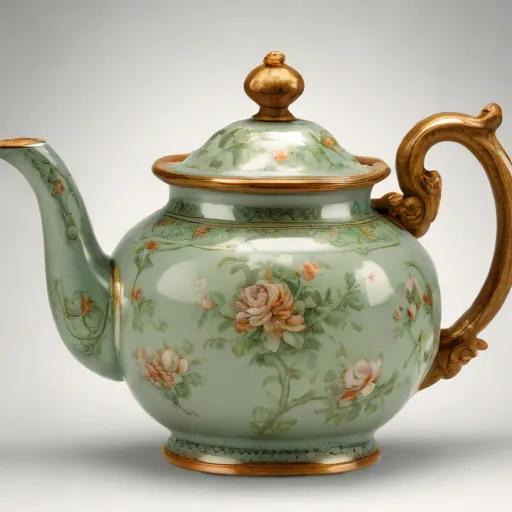
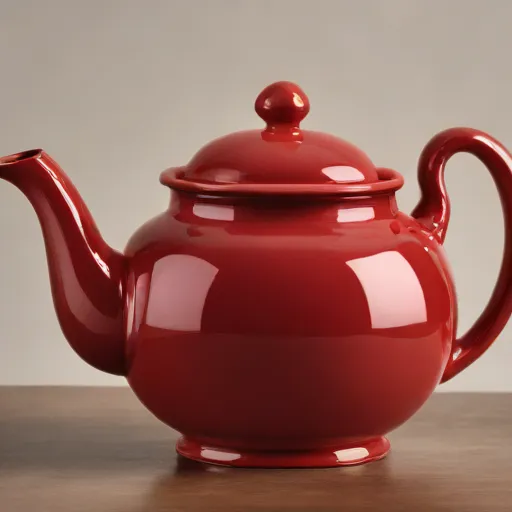
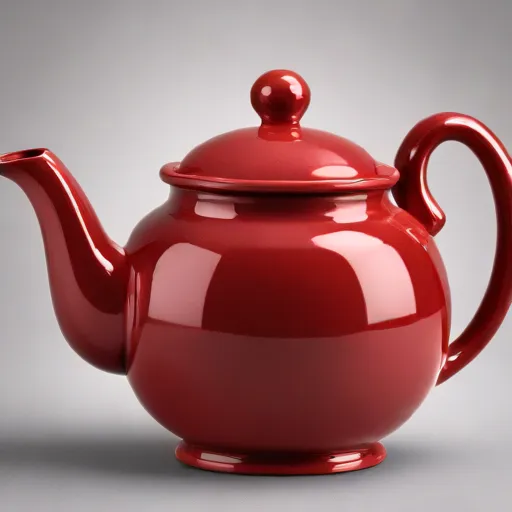
Only change: the prompt. Fixed: SDXL Turbo revision 71153311..., seed 2026, two denoising steps, 512×512, guidance 0.0. Each file is a real GPU result served as WebP by Gradio, with its own exact WebP hash and original PNG hash.
A fixed seed does not guarantee bit-for-bit identity across software or device changes. This comparison is about visible effects of added words, not a claim of perfect prompt adherence. Do not confuse these outputs with the input-noise visualization below.
02 / HANDS-ON EXPERIMENT DESIGN
Build a reproducible experiment first. The noise preview shows the random input only, not a model-generated picture. Real-time GPU image generation is a separate component.
Only a deterministic pseudo-random noise illustration. It does not represent DDPM/SDXL/SANA inference or actual model outputs.
Select parameters, then build a plan.
03 / GENERATE REAL IMAGES
The model runs in a separate Gradio + ZeroGPU service, which has successfully produced real sample images. Its shared free quota can limit repeated classroom requests. Saved examples in this static course never consume GPU time.
04 / YOUR CREATIVE PROJECT
Four discrete grades, out of 100. The teacher evaluates the strongest level supported by actual evidence: 60 / 75 / 85 / 95.
Run a published Space, make one genuine small change, and explain inputs, outputs, model, one test and one limitation.
Add a useful feature or workflow improvement; test before and after, and explain the difference.
Solve a specific user's real problem with a complete workflow and relevant evaluations.
Show independent creativity, thoughtful AI integration, meaningful value and stronger testing.
These are four score bands, not four weighted percentages. No paid GPU or model training is required for a passing score. Simply repeating our Object Detection + Image Generation combination is not an original bonus idea.